Workshop Sheds - What You Need to Know
A workshop shed is a versatile, value-adding and useful addition to any home or commercial workplace. They’re a practical means of expanding your usable space because they serve such a range of purposes. Whether you need a space to store your tradie tools, set up your carpentry gear, house manufacturing machinery or be a base for mechanical repairs, the right workshop shed can help transform your operations.
Last reviewed June 2024 by Ryan Ollis, Stockman Sheds QBCC #15408423 4.9 from 89+ Google reviews
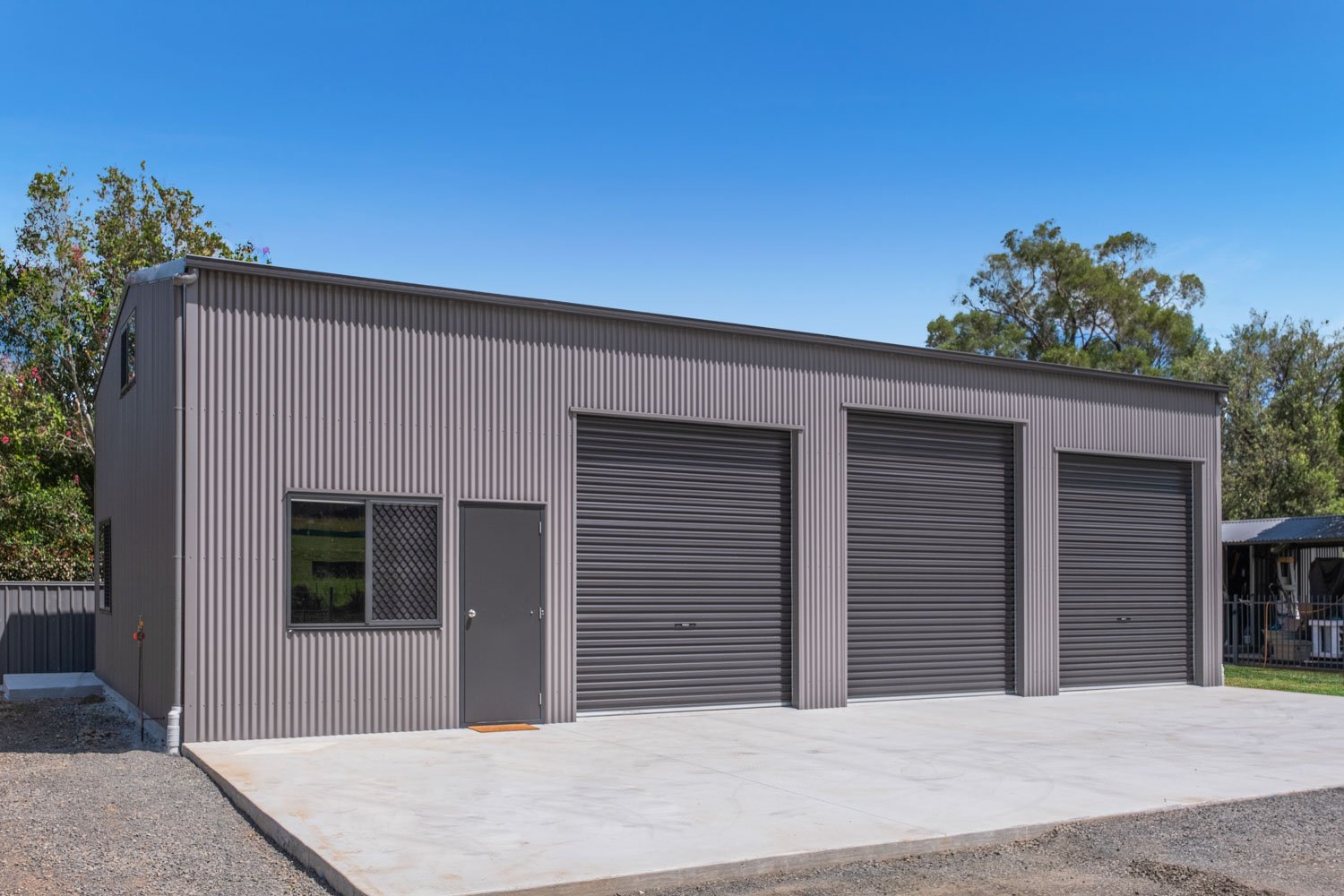
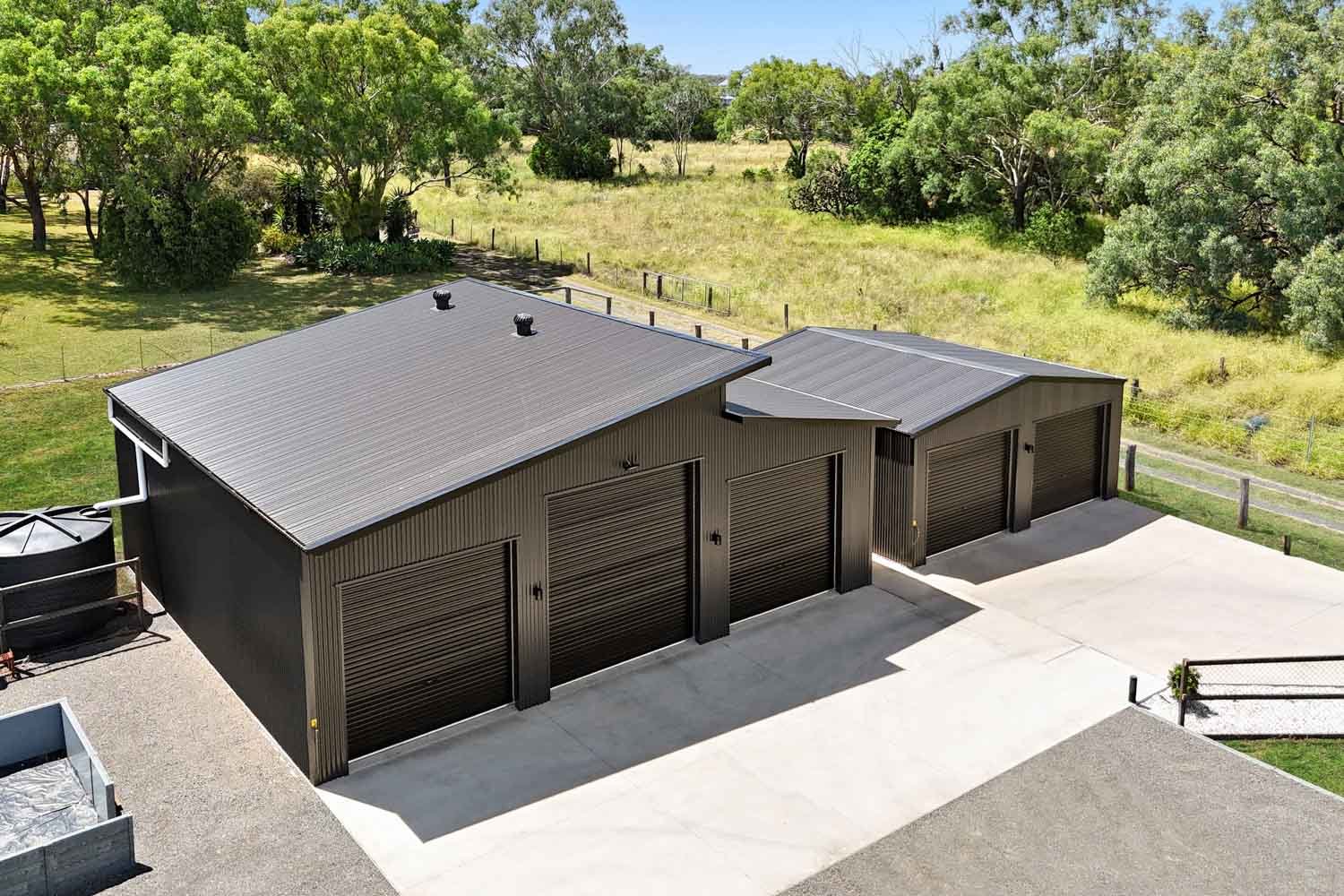
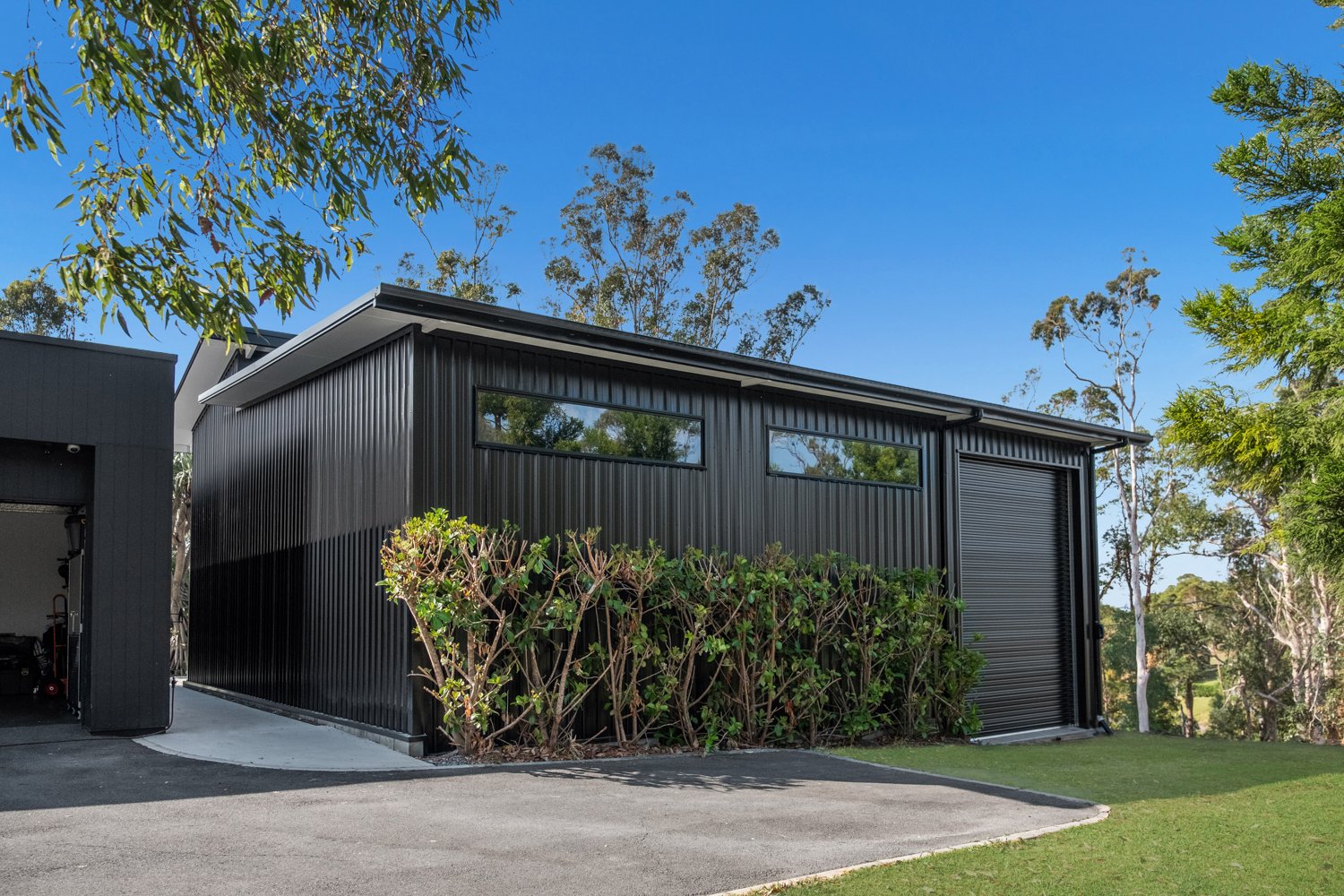
Stockman has been designing and building custom workshops sheds across South East Queensland since 2020, with a 4.9-star rating from 75+ Google reviews and a 20-year structural warranty on every build. Manufactured at our Highfields, Toowoomba HQ from 100% Australian BlueScope Steel and COLORBOND® cladding.
What is a workshop shed
What is a workshop shed, and why is it different to a standard shed? A workshop shed is functional, built to accommodate a particular business activity (or leisure - here’s looking at you, car lovers). It’s a multi-purpose space designed to house machinery, store tools or work on that dirt bike engine that’s been playing up.
Depending on the function they’re designed for, workshop sheds can be found in industrial and residential areas. They’re often equipped with more accessories than a standard shed - think workbenches, storage solutions or power and lighting to support industrial activities. Whether you’re a professional tradie or a factory owner, a workshop shed could be the space-utilising solution you need! Let’s look at who can use them.
Who needs a workshop shed
Tradesmen: Whether you’re based out of home or have an external workplace, a workshop will help you stay organised and efficient. More space to securely store your tools and work on projects. A place to escape and get some work done.
Home Businesses: If you’re an entrepreneur running a home business, a workshop shed will add value to your property and prove invaluable in the running of your business. You can use it as an office, as a manufacturing space or as product and tool storage, effectively separating your living and work areas.
Farmers: Queensland farmers need big support for their big operations, and an agricultural workshop shed does exactly that. Whether it’s a spot for repairing machinery, storing tractors or acting as a logistics base, they’re indispensable to our farmers.
Manufacturing Businesses: A workshop shed is an adaptable space that can easily house small-scale manufacturing and production processes. From woodworking to ceramics, candle making to canning, manufacturers will love the flexibility of these sheds.
Hobbyists: You’ll have a dedicated space to pursue your passions without any constraints thanks to your workshop shed. Whether you’re an artist or a mechanic, a fisherman needing a boat shed or a bike rider, the adaptability of your shed will help take your hobby to new heights!
Planning your workshop shed
Size, Design, and Layout: Your workshop shed needs to be designed to comfortably accommodate the activity it’s intended for. If you’ve got vehicles turning around in there or any machining going on, you don’t want it to be a tight squeeze. Keep your future workshop requirements in mind too - you don’t want to outgrow the space too soon!
Extra Amenities: What do you need in your shed to support its functionality? Electricity, plumbing, heating, cooling? You want maximum practicality as well as a comfortable working environment, so think carefully about the amenities required.
Storage Space: You’ve got a good opportunity here to create some exceptional storage space. Optimise it with shelving, cabinets and pegboards - it’ll free up your workspace and help keep the workshop organised.
Safety Requirements: Whatever purpose the shed is for, you want it to be as safe as possible. This might mean design tweaks according to its main function - think extra ventilation, light, exit doors and so on. Not to mention fire extinguishers and first aid kits!
DIY or Get the Experts in: We can ship DIY workshop shed kits manufactured in our Brisbane shed factory, to anywhere in Australia. If you’re an expert builder or have one in mind, you can construct the shed yourself.
custom shed design
Got a dream shed? Tell us about it and we’ll achieve the best outcome imaginable.
Why choose Stockman for your workshop shed?
Fully customised
We don’t do standard sheds at Stockman Sheds. Every one we build is custom-designed after extensive consultation with our client, during which we gain a deep understanding of their needs. This results in a workshop shed that is useful, practical and needed - uniquely created for your business.
Built tough
Bluescope Steel sheds, need we say more? All our sheds are built with this insanely tough Australian steel, along with their COLORBOND® painted steel shed building materials. This means tough, durable sheds built to last for many years to come in our harsh Aussie climate.
Get your workshop shed going
If you’re thinking about a workshop shed for your home or business, you’re in the right place. We’re here to help with the careful considerations you need to make, such as the purpose the shed will serve, where it will be built and how to customise it. We’ll be your partner in creating a workspace that meets and exceeds your expectations. You’ll wonder how you ever lived without it! Get in touch today and let’s start planning a shed that’s robust and dependable, with the space and functionality to take your business to the next level.
What’s included with every Stockman workshops shed
Every Stockman workshops shed quote covers the full build, not just the kit:
- Australian BlueScope Steel C-section frame, engineered to AS/NZS 1170 wind-load standard for your specific site
- COLORBOND® cladding in your choice of 22 standard colours, with BlueScope’s 30-year warranty against perforation by corrosion
- Engineered concrete slab designed by a structural engineer to suit your soil class and shed loads
- Full council application and certifier inspection — we handle every form, overlay check and sign-off as part of the build
- Choice of doors — roller doors, sliding doors, glass sliders or PA (personnel access) doors, sized to your use case
- Gutters, downpipes and flashings in matching COLORBOND® finish
- 20-year structural warranty in line with the certified engineering, plus Stockman’s own installation warranty
- QBCC-licensed installation (#15408423) by trained Australian tradespeople — no subbed-out labour
Optional add-ons include mezzanine flooring, internal walls, insulation, awnings, windows, ventilation and electrical rough-in.
Recent workshops builds we’ve completed
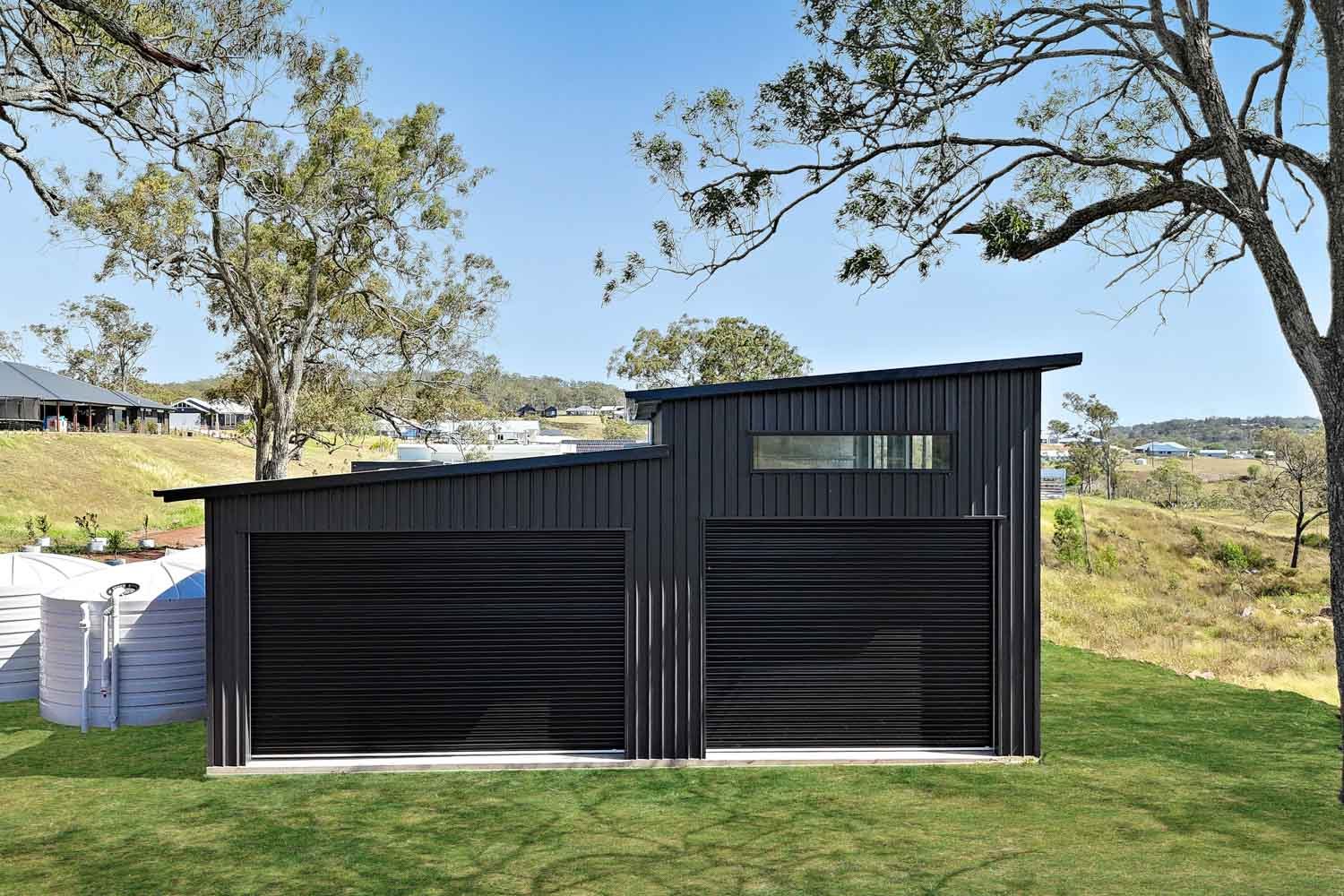
Recent workshops shed builds delivered across South East Queensland include Custom Fernvale Shed, A Custom Workshop Shed in Brassall, and A Toowoomba Workshop Shed. Browse the gallery below for more — every build is a real Stockman project, photographed on handover day.
Real workshops builds
Every shed below was designed and engineered by Stockman, built by the trusted trades on every Stockman job. Tap any card to see the full project — slab, structure, colour selection and finish details.

Custom Darling Heights Workshop Shed
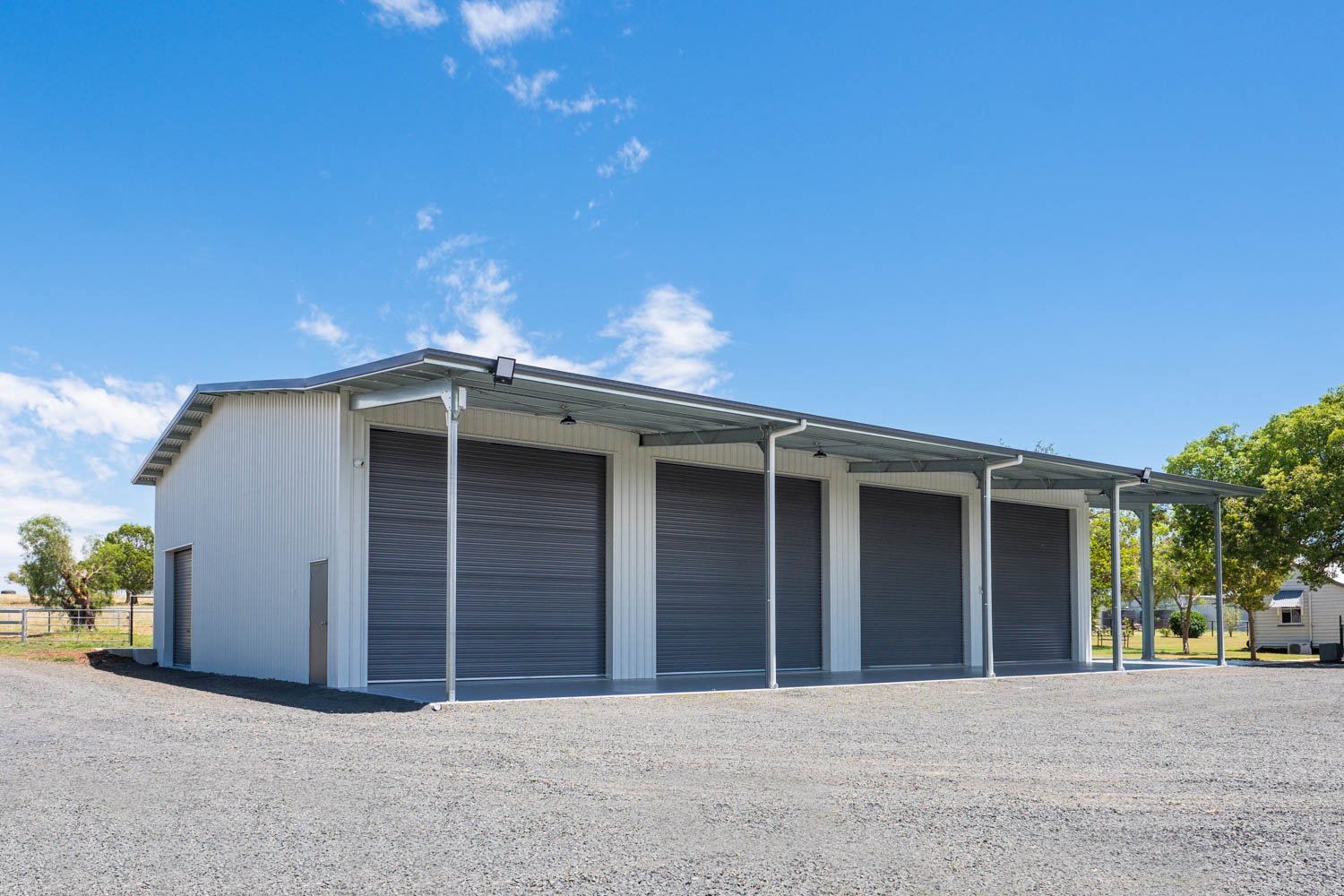
Explore this massive custom Toowoomba workshop shed, complete with two mezzanines, Steel-Line roller doors, Bradnams windows and a carport awning.

A Karalee Workshop Shed
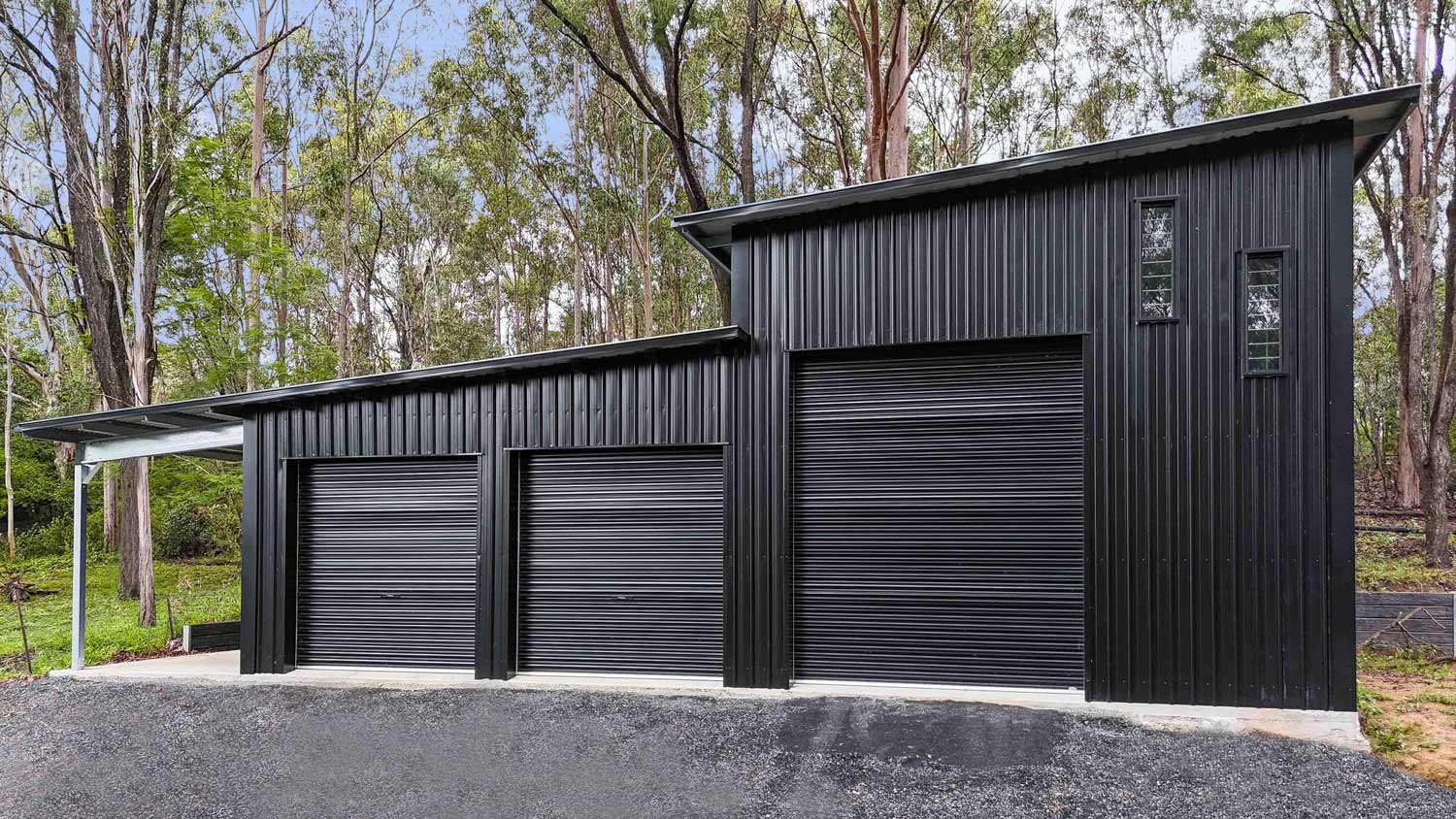
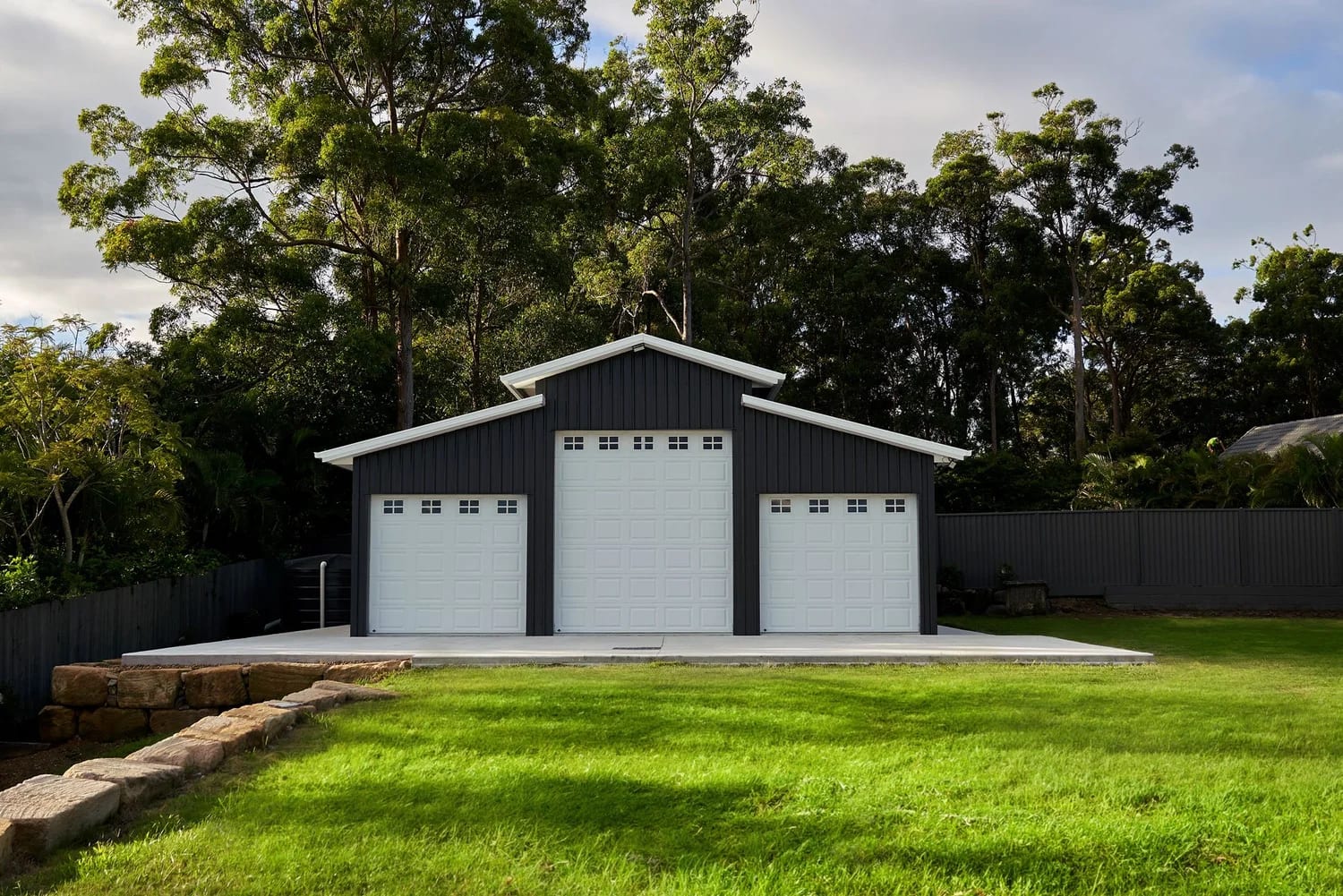
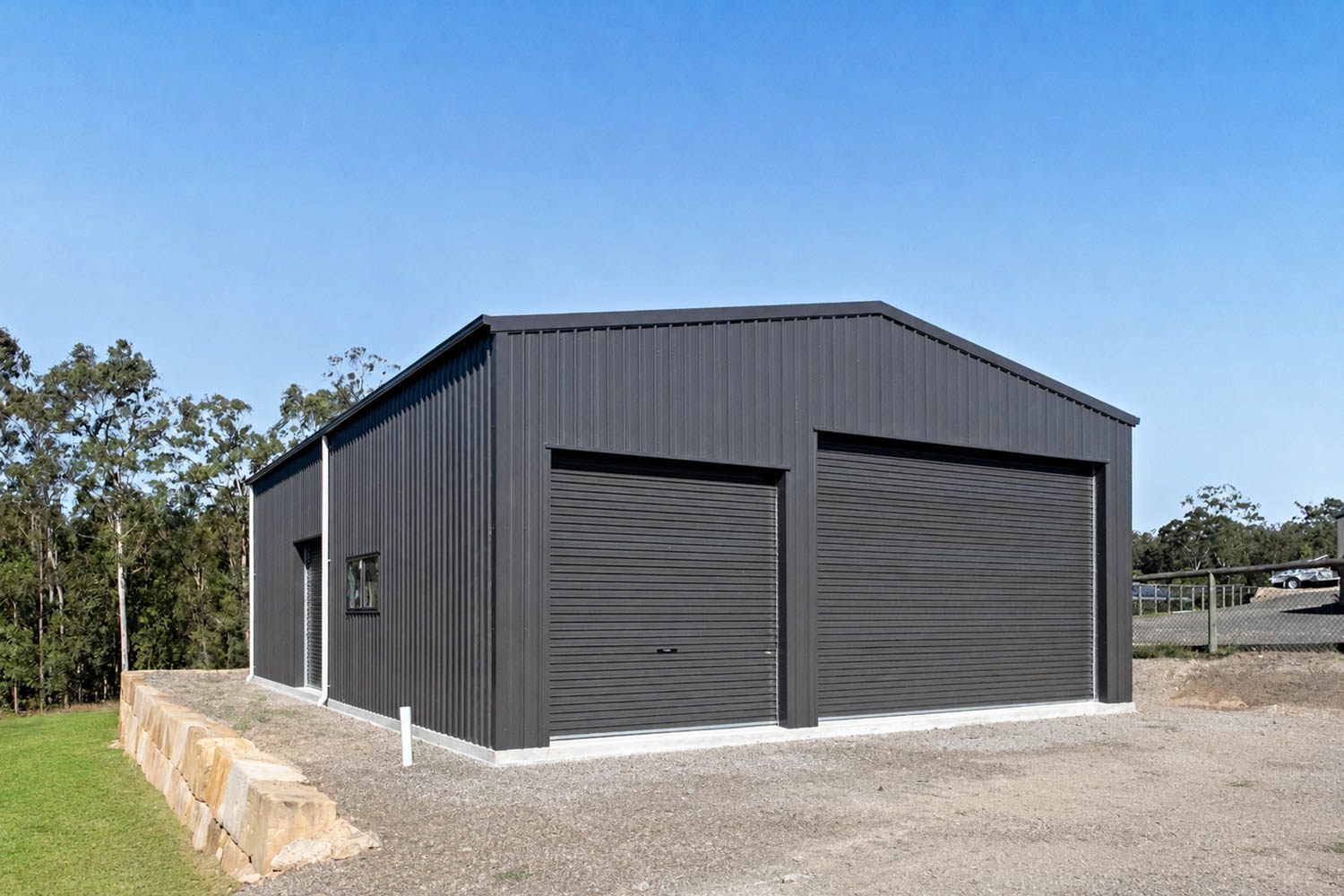
A custom workshop shed in Karalee built by Stockman Sheds. Finished in Monument® with three roller doors and a BlueScope frame.

A Manor Red Workshop in the Glass House Mountains
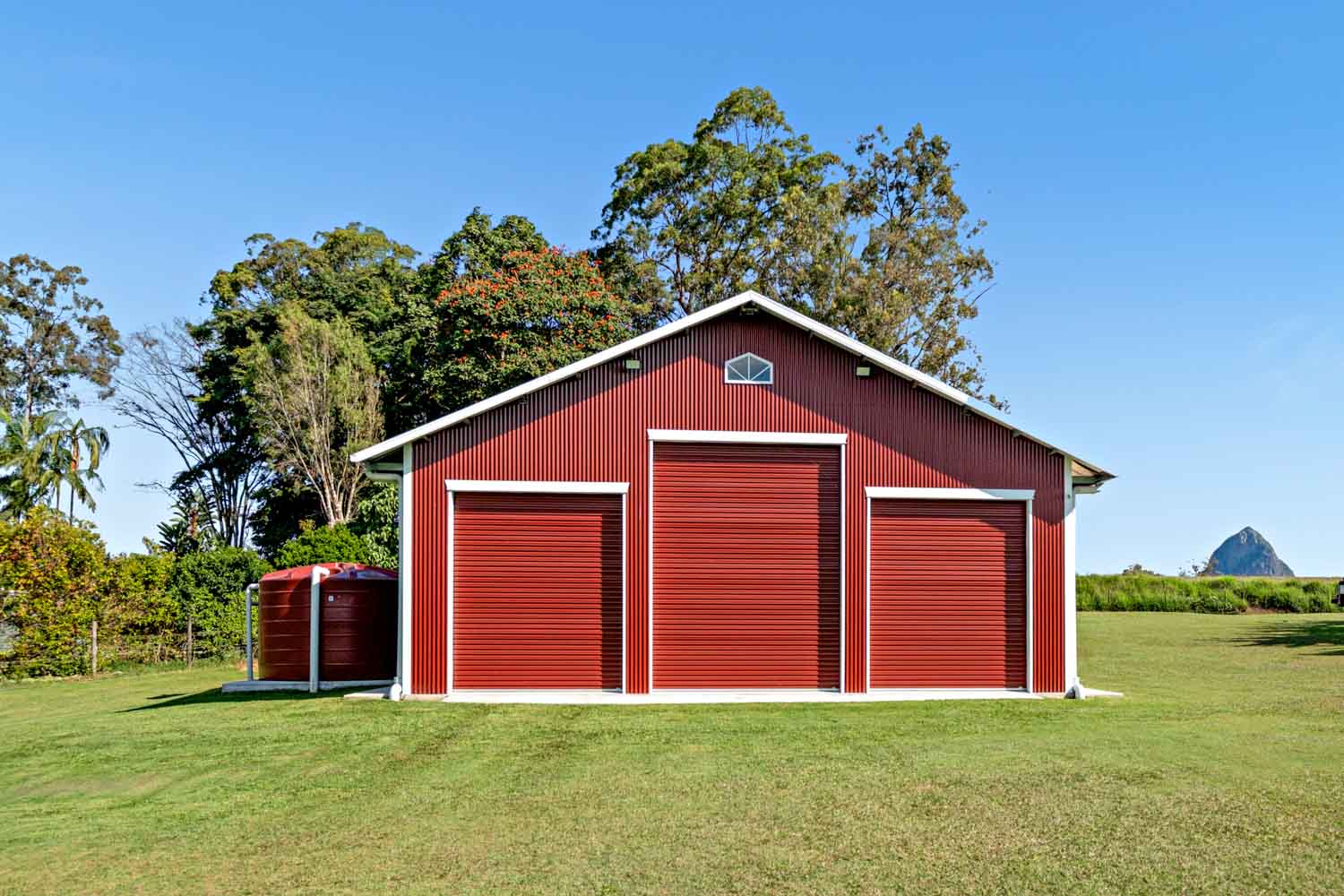
A custom Garage Gable shed in the Glasshouse Mountains, built for classic car restoration with a garaport, BlueScope® steel and a Manor Red® finish.

Custom Fernvale Shed
This fully custom Fernvale shed blends in nicely with the residential surroundings. How’s that fully enclosed awning?

A Custom Workshop Shed in Brassall
A custom workshop shed in Brassall, Ipswich, designed for flexibility, work and storage. Check out the internal height!

A Toowoomba Workshop Shed
This Toowooomba workshop shed with an office awning is a massive problem solver for its new owner. Find out why!